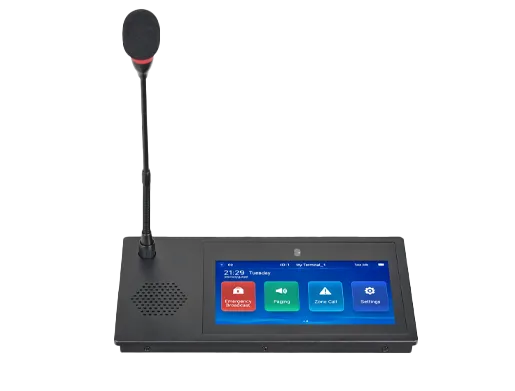
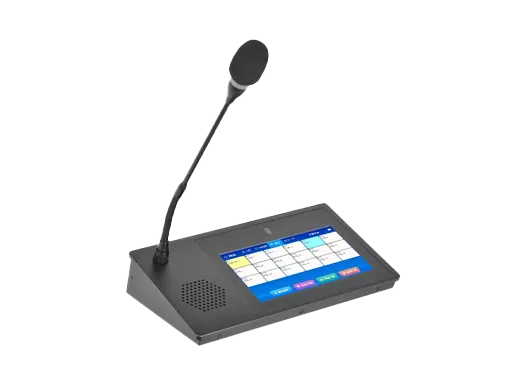
In IP audio communications, the Becke GP600 SIP Microphone shines with sleek design, powerful performance and offline reliability for modern facilities.

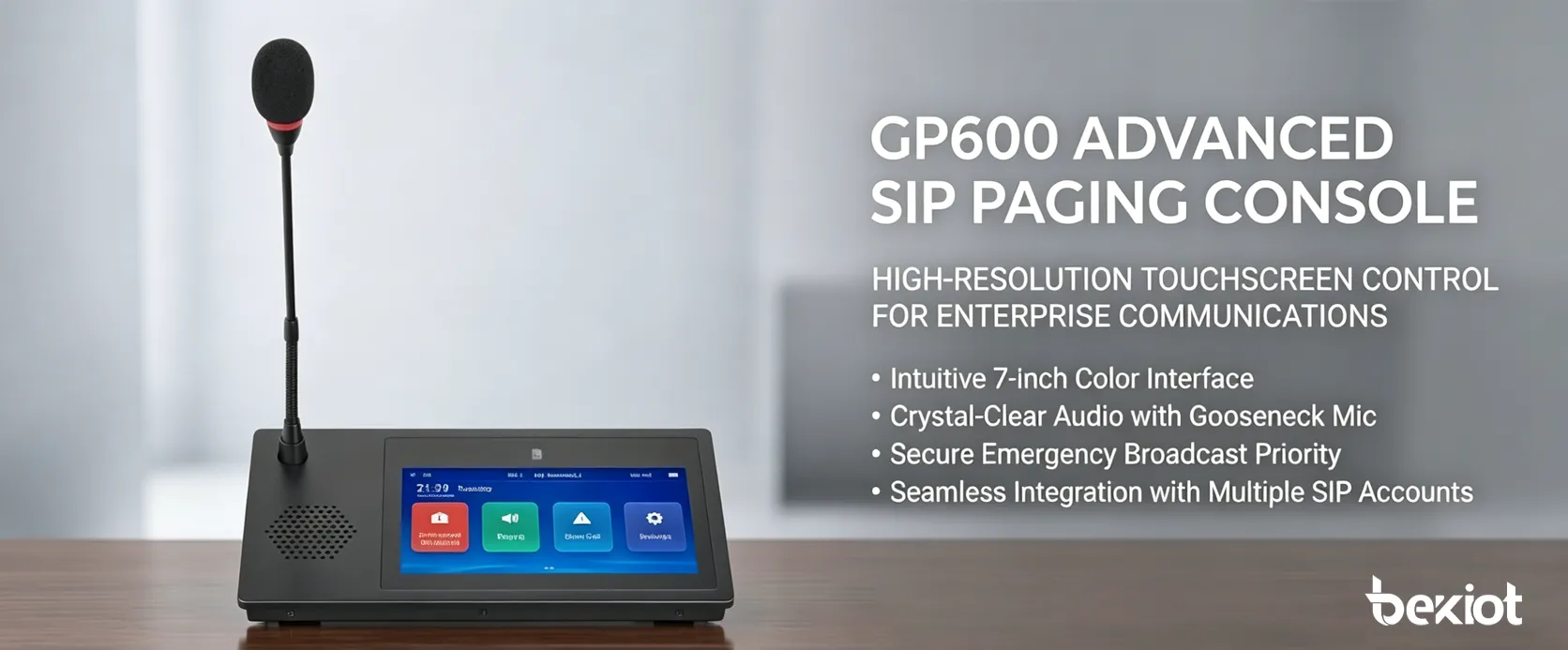
The GP600 SIP Microphone sets a new standard for desktop paging consoles by combining rugged durability with modern aesthetics. Designed with an aluminum alloy oxidized panel and a sturdy all-metal bottom shell, the device is engineered to withstand the rigors of daily use in high-traffic environments. This premium construction not only ensures long-lasting hardware reliability but also provides a sleek, professional appearance that fits perfectly into modern command centers, reception desks, and executive offices.
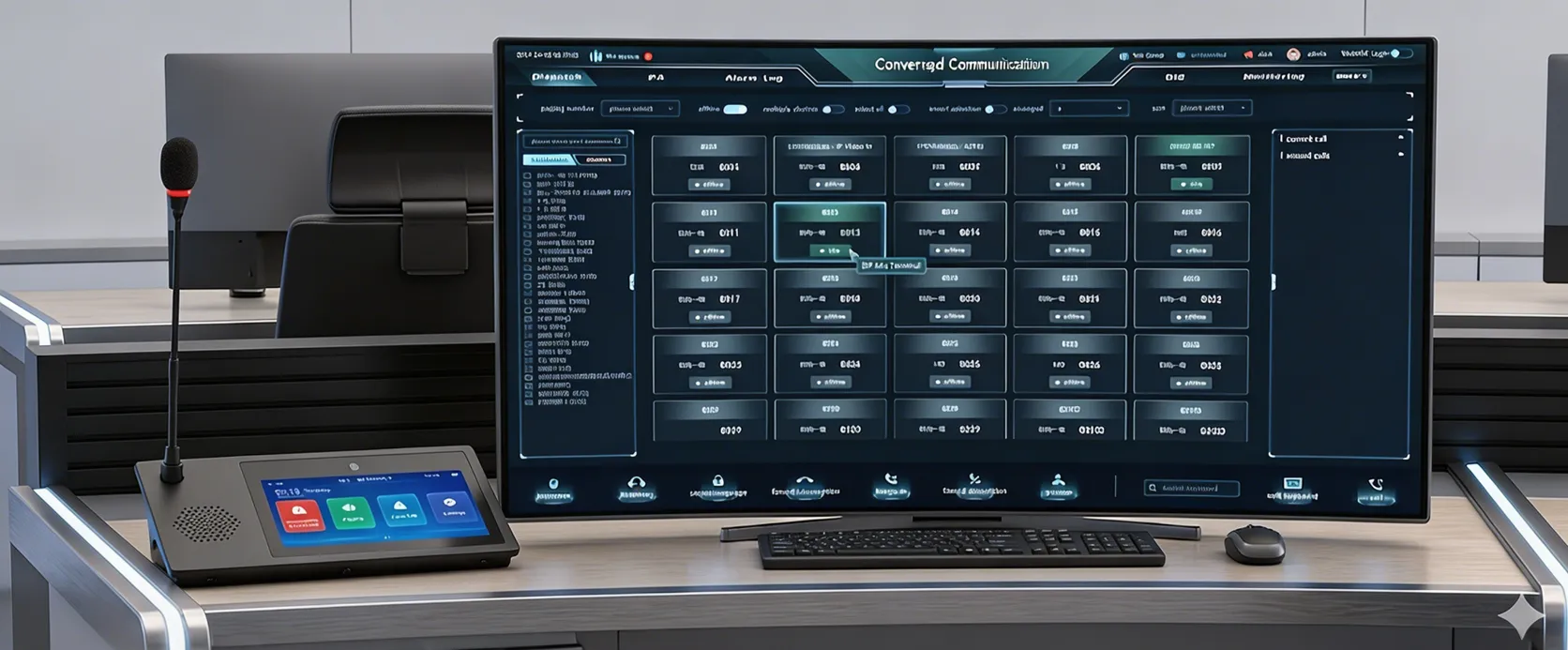
At the heart of the user experience is a stunning 7-inch true-color capacitive touch screen. Featuring a high resolution of 800x480, the display delivers crisp, clear visuals and highly responsive touch controls. Operators can effortlessly navigate through complex directory trees, monitor zone statuses, and initiate broadcasts with just a few taps. By moving away from traditional mechanical button grids, the GP600 minimizes user error and dramatically accelerates response times during critical communication events.
Furthermore, the physical ergonomics of the device are carefully tailored for prolonged use. The 310mm microphone pole offers flexible positioning to accommodate different user heights and desk setups, ensuring optimal voice capture. Combined with four customizable hardware quick-keys, users can enjoy the tactile assurance of physical buttons for their most frequent broadcasts while leveraging the touch screen for deeper operational control.
Under the hood, the GP600 SIP Microphone is powered by a high-performance ARM Cortex-A7 dual-core 1.2GHz domestically manufactured MCU chip. This robust processing core guarantees fluid interface navigation, instantaneous audio encoding, and lag-free network communications. Complementing this powerful hardware is a deeply customized Linux operating system. Recognized globally for its exceptional stability, security, and portability, the Linux architecture ensures the microphone operates continuously without the memory leaks or crashes commonly associated with lightweight desktop operating systems.
One of the most compelling selling points of the GP600 is its sophisticated Offline Mode. Network infrastructures can occasionally experience downtimes or server disconnections, but critical communications cannot afford to stop. When offline mode is enabled, the microphone proactively downloads terminal information and scheduled broadcasting tasks from the service software to its local memory. This means that even if the central server goes completely dark, the GP600 continues to function as a powerful, independent broadcasting hub.
In this decentralized state, operators can still initiate offline broadcasting and paging, engage in two-way voice intercom with connected terminals, and automatically execute locally stored scheduled tasks. This level of autonomy provides unparalleled peace of mind for facility managers, ensuring that life-safety announcements, shift-change bells, and emergency paging remain fully operational regardless of server-side network health.
"The GP600's ability to seamlessly transition into a fully functional offline mode ensures that mission-critical announcements and daily scheduled tasks are never compromised by unforeseen network server failures."
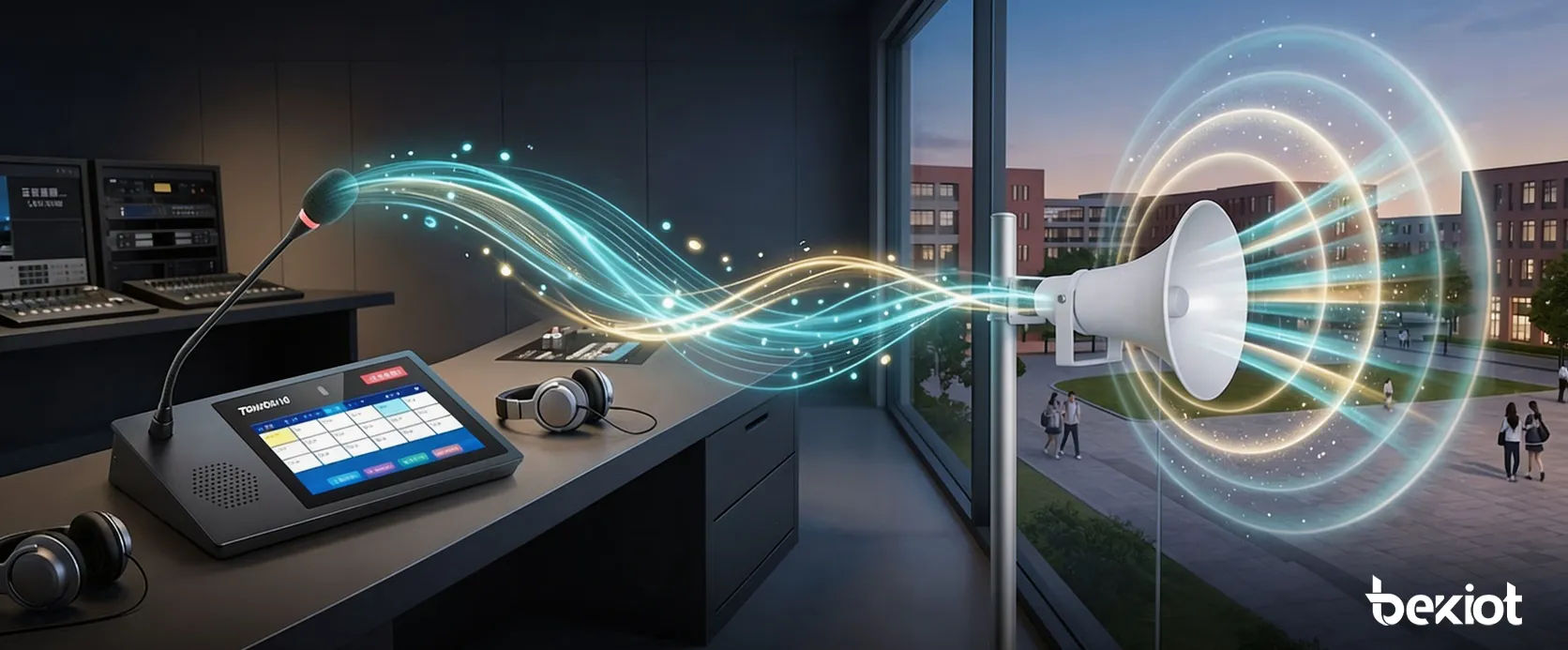
The GP600 excels in delivering precise, targeted audio to any segment of a facility. Through the intuitive touch screen, operators can initiate calls to a single terminal, multiple selected terminals, specific zones, multiple zones, or trigger a complete all-zone broadcast. Synchronization with the central service software ensures that all terminal and partition information is always up-to-date. When a broadcast is initiated, the device boasts an ultra-low broadcast delay of strictly less than 100 milliseconds, guaranteeing real-time voice transmission without jarring echoes or lags.
Beyond one-way paging, the microphone is a formidable tool for two-way communication. Users can quickly select a specific intercom terminal via the display to initiate a high-definition two-way voice conversation. The console features a built-in 3W speaker that delivers loud, clear incoming audio, making it easy to hear responses even in noisy environments. The system intelligently supports both automatic answering and manual answering modes, allowing administrators to configure terminal behaviors based on the specific privacy and security needs of each location.
For emergencies, the console can be optionally equipped with a dedicated red emergency button. A single press of this highly visible hardware key instantly overrides standard operations to initiate an all-zone broadcast to all authorized terminals. Additionally, the device supports versatile audio sources; operators can capture and broadcast external audio via the line-in port or play pre-recorded WAV audio files directly from a connected U-disk, providing maximum flexibility for background music or pre-recorded announcements.

Maintaining and configuring the GP600 is designed to be as frictionless as possible for IT and administrative teams. The device supports full remote management via a standard web browser. Authorized administrators can simply log into the microphone's IP address to modify network parameters, adjust audio settings, configure operational behaviors, and deploy firmware updates. This centralized management eliminates the need to physically visit each console, drastically reducing maintenance overhead for large-scale deployments.
Security and access control are paramount in modern IP audio systems. The GP600 features granular user permission configurations. Administrators can restrict the visibility of specific zones and terminals based on the logged-in user's profile. This ensures that a receptionist in building A cannot accidentally broadcast to building B. Furthermore, the device itself can be secured with a customizable 6-digit lock screen password, preventing unauthorized personnel from walking up to the console and initiating rogue broadcasts.
To further tailor the operational environment, the GP600 provides extensive customization options. Users can define four custom shortcut keys on the touch interface; a simple long-press rapidly initiates pre-set broadcast tasks, saving valuable time during routine operations. Administrators also have the power to manually toggle whether the microphone itself receives incoming broadcasts (acting as a speaker) and can customize the system prompt tones to suit the acoustic environment of the deployment area.
With standard TCP/IP, UDP, ARP, ICMP, and IGMP protocol support alongside physical short-circuit input/output interfaces, the GP600 seamlessly bridges modern network audio with traditional alarm and amplifier systems.
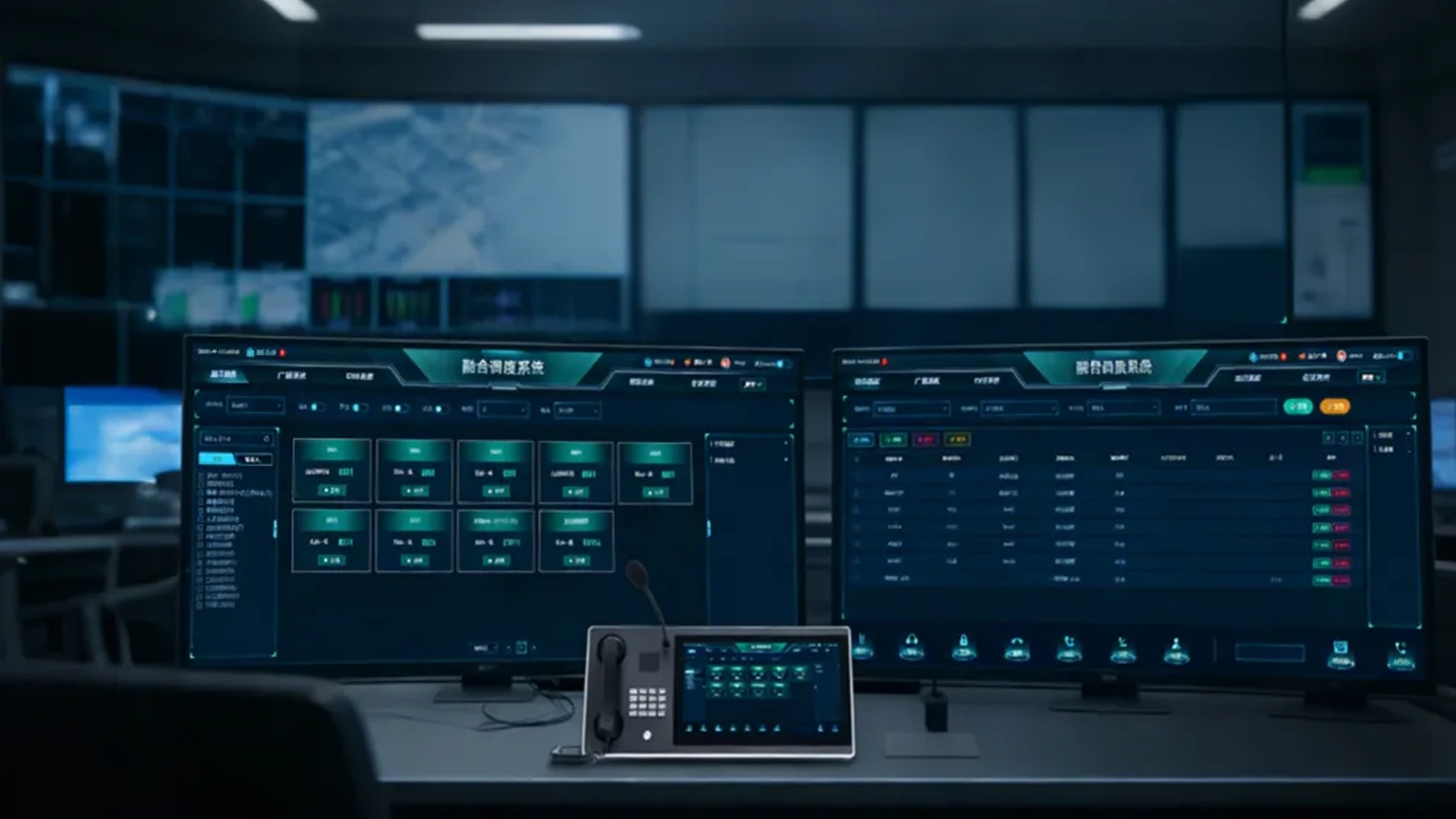
The GP600 SIP Microphone is the ultimate command interface for corporate campuses and smart office buildings. In these environments, the ability to seamlessly page individual departments, broadcast company-wide announcements, or integrate with physical access control systems via the short-circuit I/O interfaces makes it an invaluable administrative tool. The premium aluminum design ensures the console looks appropriate in high-end reception areas and executive boardrooms, while the granular user permissions keep departmental communications organized and secure.
In the education sector, schools and university campuses benefit immensely from the GP600's robust offline capabilities and precise zoning. Administrators can effortlessly manage class bells and automated schedules directly from the local memory if the main campus server goes down. The ultra-low latency broadcasting is perfect for live morning announcements, while the two-way intercom feature allows the principal's office to instantly communicate with individual classrooms without interrupting the entire school.
Healthcare facilities, logistics hubs, and transportation terminals require absolute reliability and rapid emergency response capabilities. The optional red emergency broadcast button and the four programmable quick-keys allow hospital staff or warehouse managers to trigger pre-recorded evacuation protocols or code-blue alerts instantly. The built-in 3W speaker ensures that incoming intercom calls from remote security gates or sterile operating rooms are heard loud and clear, facilitating rapid, life-saving communication when every second counts.

Q1: What happens to the GP600 if the main SIP/Broadcast server crashes or network connection is lost?
A1: The GP600 is designed with a robust Offline Mode. When enabled, it proactively downloads terminal configurations and timed task schedules. If server connectivity is lost, the microphone can still independently execute scheduled broadcasts, allow manual paging to localized terminals, and facilitate two-way intercom, ensuring zero downtime for critical audio functions.
Q2: Can we restrict which operators can broadcast to certain areas of our facility?
A2: Yes, the GP600 supports comprehensive user permission configurations. You can assign specific viewing and broadcasting rights to different accounts. When a user logs in, the microphone's touch screen will strictly display only the terminals and paging zones that they are authorized to access.
Q3: How do we manage firmware updates and device configuration across multiple GP600 units?
A3: The GP600 features a built-in web server. IT administrators can simply enter the microphone's IP address into any standard web browser to access the management portal. From there, you can modify network and audio parameters, adjust system configurations, and push firmware version updates remotely without needing physical access to the device.
Q4: Does the microphone support integration with external audio equipment and alarm systems?
A4: Absolutely. The GP600 is equipped with at least one 3.5mm audio line input (for capturing and broadcasting external audio sources) and a 3.5mm line output (for connecting to external power amplifiers). Furthermore, it includes short-circuit input and output interfaces, making it incredibly easy to trigger automated broadcasts from external fire alarms or actuate electronic door locks during an intercom call.
| 항목 | 사양 |
|---|---|
| 제품 모델 | GP600 SIP 마이크 |
| 디자인 및 하우징 | 데스크톱 마이크 디자인, 알루미늄 합금 산화 패널, 풀메탈 하단 케이스 |
| 디스플레이 | 7인치 트루 컬러 정전식 터치 스크린, 해상도 ≥ 800*480 |
| MCU 칩 | ARM Cortex-A7 듀얼 코어 1.2GHz 국산 MCU 칩 |
| 운영 체제 | 우수한 안정성, 보안 및 이식성을 갖춘 Linux 시스템 |
| 매개변수 구성 | 브라우저를 통해 마이크 IP에 로그인하여 네트워크, 오디오 및 구성 매개변수 수정 지원 |
| 펌웨어 업데이트 | 브라우저를 통해 마이크 주소에 로그인하여 마이크 프로그램 버전 업데이트 지원 |
| 방송 호출 기능 | 터치 기반 방송 호출 지원; 단일/다중 터미널, 단일/다중 구역 및 전체 구역 방송 지원 |
| 오프라인 모드 | 오프라인 모드 활성화 지원; 서버 소프트웨어를 통해 터미널 정보 및 시간 작업을 로컬에 다운로드; 오프라인 방송, 양방향 인터콤 및 다운로드된 작업 재생 지원 |
| 비상 버튼 | 옵션 빨간색 비상 버튼, 승인된 터미널에 원키 전체 구역 방송 |
| 양방향 인터콤 | 선택한 터미널과 빠른 양방향 음성 인터콤 지원; 내장 3W 스피커, 자동 응답/수동 응답 전환 가능 |
| 방송 성능 | 서버와 터미널/구역 정보 동기화 지원; 방송 지연 < 100ms; 라인 입력 수집 및 USB 디스크 방송 지원 |
| 사용자 권한 | 사용자 권한 구성 지원, 승인된 터미널 및 구역만 표시 |
| 방송 단축키 | 4개의 사용자 정의 가능한 방송 단축키, 길게 눌러 사전 설정된 방송 작업 트리거 |
| 비밀번호 보호 | 작업 확인을 위한 6자리 잠금 화면 비밀번호 지원 |
| 방송 알림음 | 방송 알림음 활성화 또는 비활성화 지원 |
| 방송 수신 | 페이지 마이크에서 방송 수신을 수동으로 활성화 또는 비활성화 지원 |
| 네트워크 인터페이스 | 1×10/100M RJ45 네트워크 포트, LAN 및 인터넷 액세스 지원 |
| 오디오 인터페이스 | ≥1 채널 3.5mm 오디오 라인 입력 (수집 및 재생용); ≥1 채널 3.5mm 오디오 라인 출력 (파워 앰프 연결용) |
| 드라이 콘택트 인터페이스 | ≥1 채널 드라이 콘택트 출력 및 ≥1 채널 드라이 콘택트 입력 |
| 전원 공급 | DC12V/1.5A |
| 오디오 코딩 | WAV |
| 네트워크 프로토콜 | TCP/IP, UDP, ARP, ICMP, IGMP |
| 치수 | 270(길이)*150(너비)*60(높이) mm (높이에는 발 포함); 구스넥 길이: 310mm |