
백과사전
2026-05-07 13:59:10
AI-RAN이란? 아키텍처, 기술 논리, 구축 과제와 6G 전망
AI-RAN 가이드: RAN 진화, GPU 가속, AI for/and/on RAN, 엣지 AI, 산업 동향, 구축 리스크, 6G 네트워크 전략을 다룹니다.

Becke Telcom

AI-RAN이란? 아키텍처, 기술 논리, 구축 과제와 6G 전망

AI-RAN은 통신 산업에서 가장 많이 논의되는 주제 중 하나입니다. 일부는 이를 무선 네트워크 진화의 다음 단계로 보고, 다른 일부는 비즈니스 모델, 비용 구조, 기술 아키텍처가 충분히 검증되기 전에는 과장된 개념일 수 있다고 봅니다. AI-RAN을 정확히 이해하려면 마케팅 용어를 넘어 무선 접속망, AI 컴퓨팅, 칩 아키텍처, 엣지 컴퓨팅, 6G 전략이 어떻게 결합되는지 살펴봐야 합니다.

AI-RAN은 Artificial Intelligence Radio Access Network의 약자입니다. 간단히 말해 AI 기술을 무선 접속망에 적용하거나, 통신 워크로드와 AI 워크로드를 통합적으로 처리할 수 있는 무선 네트워크를 구축하는 것입니다. 단순히 기지국에 AI 소프트웨어를 넣는 것이 아니라, 기지국을 단일 통신 노드에서 지능형 엣지 컴퓨팅 노드로 전환하는 개념입니다.

이 글은 솔루션과 엔지니어링 관점에서 AI-RAN을 설명합니다. 전통 RAN에서 Open RAN으로의 진화, CPU, GPU, FPGA, ASIC의 역할, AI for RAN, AI and RAN, AI on RAN의 의미, NVIDIA, SoftBank, Nokia, Ericsson, Huawei, ZTE의 산업 동향, 그리고 사업자가 고려해야 할 구축 과제를 다룹니다.
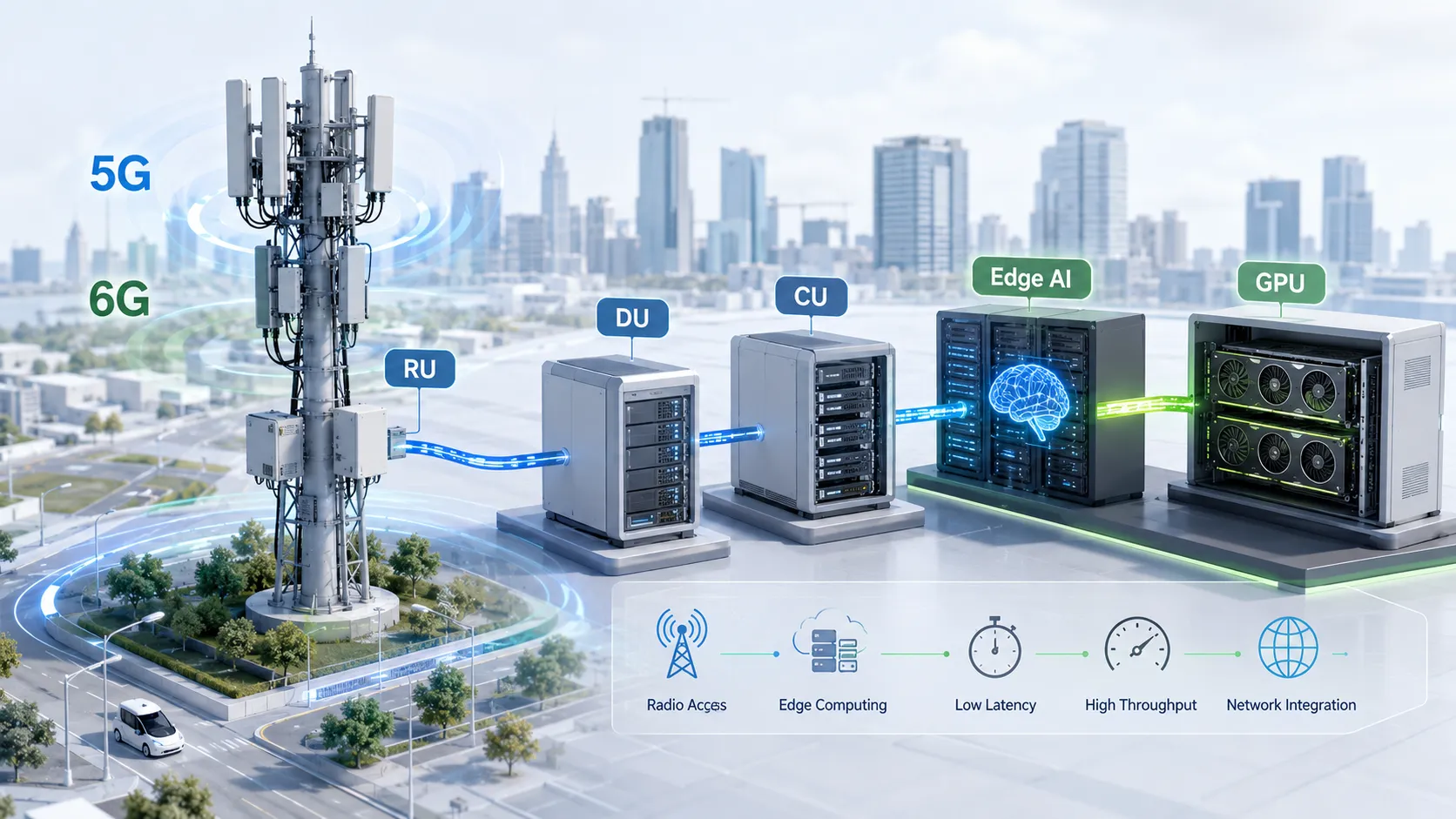
RU DU CU GPU 가속 엣지 AI 추론 5G 6G 무선 접속망 통합을 보여주는 AI-RAN 아키텍처
AI-RAN은 무선 접속망을 무선 통신과 AI 워크로드를 함께 처리하는 엣지 컴퓨팅 계층으로 전환합니다.

AI-RAN을 이해하기 전에 RAN 이해하기

RAN은 Radio Access Network입니다. 이동통신망은 코어망, 전송망, 무선 접속망으로 구성되며, RAN은 스마트폰, 산업 단말, 센서, 차량, IoT 장치를 사업자 네트워크에 연결하는 첫 번째 계층입니다.

4G 시대의 기지국은 안테나, RRU, BBU, 그리고 연결 링크로 구성되었습니다. 안테나와 무선 장치는 송수신을 담당하고, BBU는 변조, 복조, 인코딩, 디코딩, 채널 추정, 자원 스케줄링을 처리했습니다.

5G에서는 안테나와 RRU가 AAU로 통합되고, BBU 기능은 CUDU로 분리되었습니다. CU는 비실시간 기능, DU는 실시간 베이스밴드 처리를 담당합니다. 유연성은 높아졌지만 구조도 복잡해졌습니다.

RAN이 개방과 가상화가 어려운 이유

코어망은 라우팅, 스위칭, 세션 제어, 서비스 관리가 많아 NFV로 가상화하기 쉬웠습니다. 반면 RAN의 베이스밴드 처리는 낮은 지연, 높은 계산 밀도, 정확한 타이밍, 실시간 성능을 요구합니다.

전통 기지국은 맞춤형 ASIC과 독점 소프트웨어를 사용하는 폐쇄형 시스템이었습니다. 이 블랙박스 모델은 고정 워크로드에 최적화된 ASIC 덕분에 높은 효율, 낮은 전력, 안정적인 지연을 제공합니다.

이후 사업자들은 하드웨어와 소프트웨어 분리, 인터페이스 표준화, 범용 서버 활용을 추진했고 C-RAN, O-RAN, vRAN, xRAN, Open RAN이 등장했습니다.

C-RAN에서 Open RAN으로

4G 시대 China Mobile은 C-RAN을 추진했습니다. 여러 BBU를 중앙 장비실에 모아 베이스밴드 풀을 구성하고, 광섬유를 통해 원격 무선 장치로 신호를 분배하는 방식입니다.

Open RAN은 모듈형 구조와 표준 인터페이스를 강조합니다. RU, DU, CU는 인터페이스가 호환되면 다른 벤더 장비도 가능하며, 베이스밴드 소프트웨어는 x86 또는 ARM에서 실행될 수 있습니다.

하지만 범용 CPU는 유연한 대신 ASIC보다 전력 효율과 지연 안정성이 낮을 수 있습니다. 따라서 Open RAN은 소프트웨어뿐 아니라 실시간 컴퓨팅과 에너지 효율 문제이기도 합니다.

GPU가 RAN 논의에 들어온 이유

AI-RAN의 논리는 칩 아키텍처에서 시작됩니다. 주요 칩은 CPU, GPU, FPGA, ASIC입니다. CPU는 범용, ASIC은 특화 통신 처리, FPGA는 유연한 프로그래밍, GPU는 병렬 AI 연산에 강합니다.

NVIDIA의 전략은 GPU 컴퓨팅을 기지국에 도입해 베이스밴드 처리뿐 아니라 네트워크 엣지에서 AI 모델을 실행하는 것입니다. 기지국이 RAN과 AI 워크로드를 함께 처리하면 새로운 엣지 AI 인프라가 됩니다.

통신 장비 시장은 연간 1000억 USD를 넘는 거대한 시장입니다. GPU가 기지국 아키텍처에 포함되면 통신망은 새로운 대형 컴퓨팅 시장이 될 수 있습니다.

AI-RAN은 GPU 기지국 그 이상

핵심은 “GPU를 넣는 것”이 아니라 기지국을 5G 및 향후 6G 연결성을 가진 저지연 엣지 AI 서버로 만드는 것입니다. 기지국은 무선 신호를 처리하면서 가까운 사용자, 장치, 차량, 카메라, 로봇, 산업 시스템을 위한 AI 추론을 수행합니다.

AI는 RAN 자체도 개선합니다. 채널 상태 예측, 다중 사용자 간섭 식별, 밀리미터파 빔 최적화, 트래픽 예측, 에너지 절감, 무선 자원 스케줄링을 통해 성능을 높이고 운영 복잡성을 낮출 수 있습니다.

AI-RAN은 클라우드와 단말 사이에 있습니다. 클라우드는 강력하지만 멀고, 단말은 가깝지만 약합니다. 기지국은 상대적으로 가깝고 강력하므로 저지연 AI에 적합합니다.
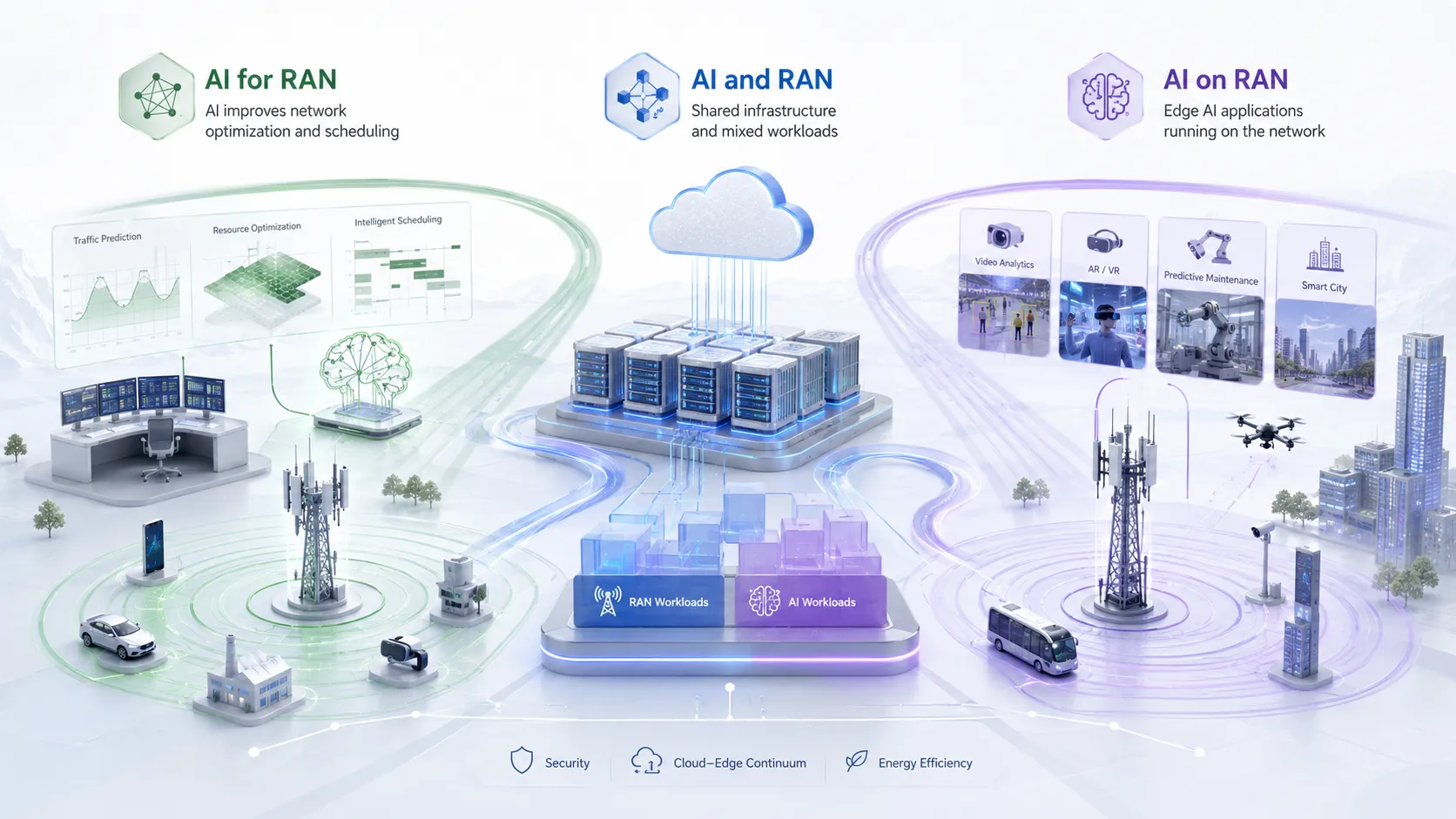
AI for RAN AI and RAN AI on RAN 세 가지 AI-RAN 기술 방향
AI-RAN은 AI for RAN, AI and RAN, AI on RAN 세 방향으로 이해할 수 있습니다.

AI-RAN의 세 가지 기술 방향

AI-RAN Alliance는 AI for RAN, AI and RAN, AI on RAN을 제시합니다.

AI for RAN

AI를 사용해 RAN을 개선하는 방향입니다. 트래픽 예측, 지능형 스케줄링, 에너지 최적화, 장애 탐지, 간섭 관리, 빔포밍 최적화가 포함됩니다.

네트워크 자체를 개선하므로 가장 직접적이며 OPEX 절감 가능성이 있습니다.

AI and RAN

통신 기능과 AI 기능을 동일 인프라에서 실행합니다. RAN과 AI 워크로드를 격리, 우선순위화, 스케줄링하면서 실시간 통신 성능을 보장해야 합니다.

동일 하드웨어가 네트워크와 AI 서비스를 모두 지원하면 자원 활용률이 향상됩니다.

AI on RAN

RAN을 외부 AI 애플리케이션의 엣지 플랫폼으로 사용하는 방향입니다. 영상 분석, 산업 위치 추적, 자율 시스템, 스마트시티, 커넥티드 차량, AR/VR, 저지연 AI 서비스가 포함됩니다.

이는 6G와 가장 밀접하며, 미래 네트워크가 통신, 센싱, 컴퓨팅, 지능을 통합할 가능성을 보여줍니다.

AI-RAN 산업 진전

2024년 2월 MWC Barcelona에서 NVIDIA, SoftBank, Ericsson, Nokia, Microsoft 등이 AI-RAN Alliance를 출범시켰습니다. 11개 창립 멤버로 시작해 100개 이상의 사업자, 벤더, 파트너로 확대되었습니다.

2024년 11월 NVIDIA와 SoftBank는 AI와 5G 워크로드를 처리할 수 있는 세계 최초 AI-RAN 네트워크 시험을 발표했습니다. 2025년 NVIDIA는 Nokia에 10억 USD를 투자하며 6G RAN과 AI-RAN 협력을 강화했습니다.

NVIDIA는 Aerial RAN Computer Pro(ARC-Pro)와 AI Aerial 플랫폼을 출시하고 GB200, BlueField-3, Spectrum-X, CUDA-X를 통신 등급 용도에 통합했습니다.

이후 “All-American AI-RAN” 스택과 2026년 AI Grid 비전을 통해, AI-RAN을 엣지 네트워크 및 컴퓨팅 계층으로 배치했습니다.

두 가지 산업 경로

첫 번째는 GPU 기반 AI-RAN을 전면 수용하는 경로입니다. SoftBank, AT&T 등은 네트워크 지능화, OPEX 절감, 신규 서비스, 6G 선점에 관심이 있습니다. 일부 시나리오에서는 OPEX가 30% 이상 줄어들 수 있다는 전망도 있습니다.

Nokia는 anyRAN을 NVIDIA GPU AI RAN과 통합하고 T-Mobile US, Telkom Indonesia, SoftBank와 시험을 발표했습니다.

두 번째는 독립적 탐색입니다. Ericsson은 NVIDIA AI 플랫폼에서 RAN을 시험하면서도 Ericsson Silicon에 신경망 가속기를 통합해 AAU/RRU 가까이에서 AI 추론을 실행하려고 합니다.

Huawei는 AI-Centric Network, ZTE는 AIR MAX를 제시했습니다. AI-RAN은 단일 벤더의 해법이 아니라 여러 기술 경로를 가진 산업 방향입니다.

사업자의 관심과 우려

AI-RAN은 사업자가 단순 연결 제공자에서 벗어나도록 도울 수 있습니다. 기지국이 프로그래머블 엣지 AI 노드가 되면 저지연 추론, 산업 애플리케이션, 데이터 노출, 사설망, 엣지 컴퓨팅 서비스를 만들 수 있습니다.

일부는 트래픽 운영에서 “token 운영”으로, 통신 서비스에서 컴퓨팅 서비스로 전환하는 전략을 이야기합니다.

하지만 GPU 플랫폼 종속이 심해지면 벤더 락인, 기술 주권, 공급망 의존, 비용 투명성, 장기 협상력 문제가 생길 수 있습니다.

AI-RAN 구축 과제

첫째는 비용입니다. AI 가속기, 서버, 네트워크 장비, 사이트 업그레이드로 CAPEX가 높고, 전력, 냉각, 유지보수로 OPEX도 증가할 수 있습니다.

둘째는 비즈니스 모델입니다. 엣지 AI 컴퓨팅을 어떻게 측정, 가격화, 판매, 운영할지 정해야 합니다.

셋째는 표준화입니다. 통신 표준은 3GPP가 주도하지만 AI-RAN은 AI-RAN Alliance가 강하게 추진하고 있어 데이터 의미, 모델 인터페이스, 서비스 오케스트레이션, 워크로드 스케줄링의 통합 체계가 아직 부족합니다.

넷째는 생태계 성숙도입니다. 칩, 장비, 사업자, 클라우드, 단말, 앱, AI 모델 제공자가 어떤 기술 경로를 선택할지 결정해야 합니다.

이기종 컴퓨팅이 현실적인 해답인 이유

최종 구조는 순수 GPU가 아니라 ASIC + GPU + CPU, 경우에 따라 FPGA를 결합하는 형태가 될 가능성이 큽니다.

ASIC은 고정 통신 부하에 효율적이고, CPU는 제어와 서비스에 유연하며, GPU는 병렬 AI에 강하고, FPGA는 특수 가속에 적합합니다.

하이브리드 구조는 단일 기술 의존을 줄이고 네트워크 최적화, 엣지 영상 분석, 산업 위치 추적, 사설망, 6G 연구부터 단계적으로 도입할 수 있게 합니다.
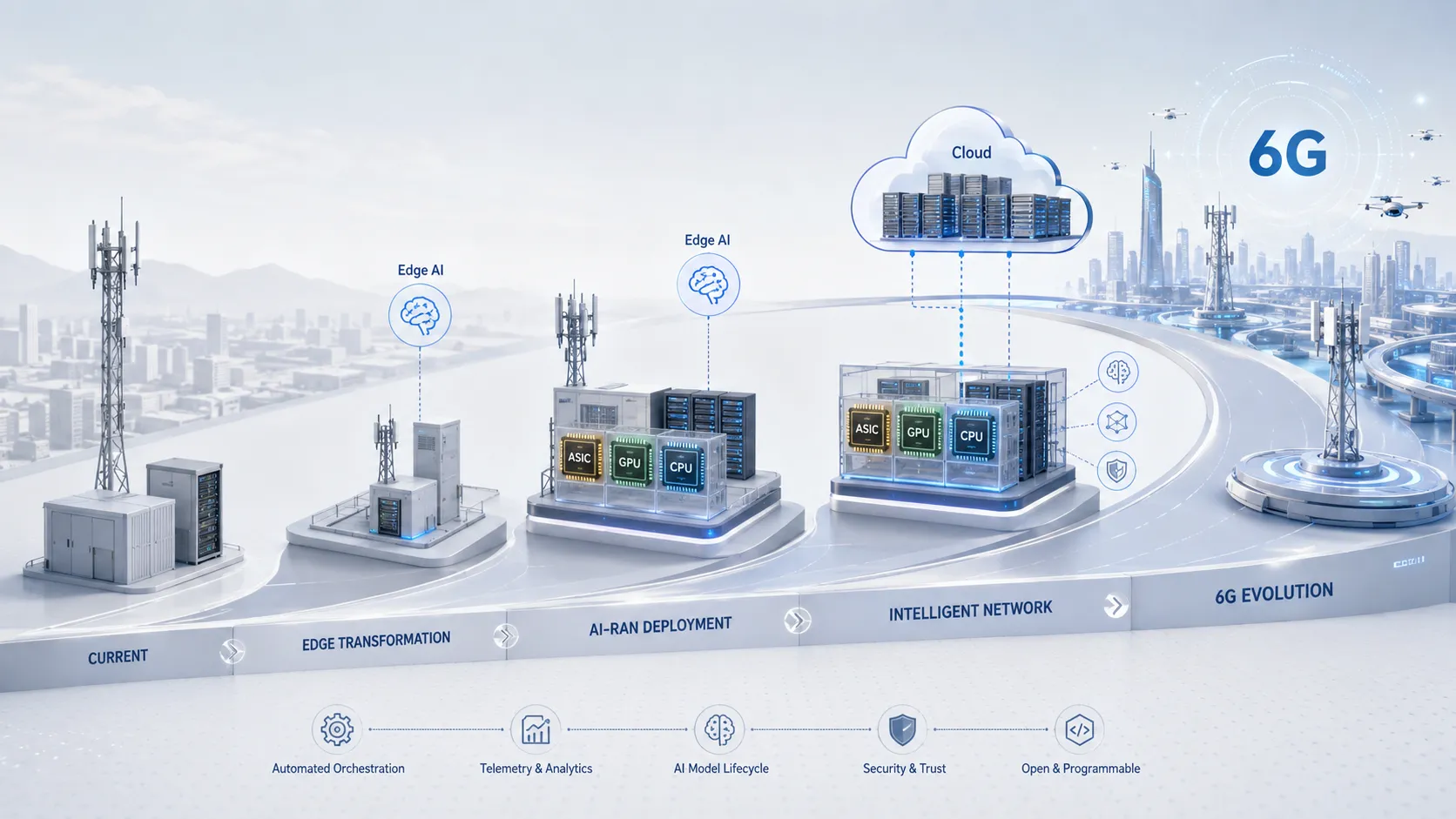
ASIC GPU CPU 이기종 컴퓨팅 엣지 AI 클라우드 오케스트레이션 6G 진화를 포함한 AI-RAN 구축 로드맵
실용적인 AI-RAN 로드맵은 기존 RAN을 한 번에 대체하기보다 이기종 컴퓨팅과 단계적 검증을 사용할 수 있습니다.

권장 AI-RAN 솔루션 아키텍처

실용적 AI-RAN은 계층형이어야 합니다. 무선 계층은 RU, AAU, DU, CU, 컴퓨팅 계층은 ASIC, CPU, GPU, FPGA, AI 계층은 모델 런타임, 추론, 데이터 처리, 최적화, 오케스트레이션 계층은 스케줄링, 서비스 노출, 모니터링, 라이프사이클을 담당합니다.

통신 워크로드는 결정적 성능을 유지해야 하며, AI 워크로드는 우선순위, 용량, 지연 요구에 따라 배치합니다. 실시간 RAN은 비중요 AI 추론보다 우선되어야 합니다.

데이터 프라이버시, 모델 보안, 접근 제어, 감사 로그, 서비스 격리, 장애 복구를 포함한 보안 및 거버넌스도 필요합니다.

AI-RAN 활용 사례

네트워크 최적화

AI는 트래픽, 간섭, 무선 자원, 에너지 절감, 자동 튜닝을 최적화합니다.

엣지 영상 분석

엣지 AI 기지국은 공공 안전, 산업 모니터링, 교통 관리, 스마트 캠퍼스 영상 스트림을 근거리에서 처리합니다.

산업 사설망

공장, 항만, 광산, 에너지, 물류에서 private 5G와 로컬 AI 추론으로 머신비전, 로봇, 작업자 안전, 장비 점검, 저지연 생산 모니터링을 지원합니다.

6G 연구와 AI 네이티브 네트워크

AI-RAN은 통신, 센싱, 컴퓨팅, 지능을 통합하는 6G의 기반이 될 수 있습니다.

결론

AI-RAN은 RAN 진화, AI 컴퓨팅, 엣지 인프라, Open RAN, GPU 가속, 6G 전략을 연결합니다. 목표는 기지국 성능 향상뿐 아니라 무선 접속망을 지능형 엣지 컴퓨팅 플랫폼으로 전환하는 것입니다.

하지만 아직 초기 단계입니다. 2024년 이후 빠르게 진전했지만 대규모 상업 성공은 보장되지 않았습니다. 높은 CAPEX/OPEX, 전력, 락인, 비즈니스 모델, 표준화, 생태계가 과제로 남아 있습니다.

가장 현실적인 미래는 이기종 컴퓨팅, 단계적 구축, 개방 인터페이스, 비즈니스 검증, 6G 지향 진화입니다.

FAQ

AI-RAN은 무엇을 의미하나요?

Artificial Intelligence Radio Access Network로, AI를 무선 접속망에 적용하고 통신 부하와 AI 컴퓨팅 부하를 통합하는 개념입니다.

GPU를 기지국에 넣는 것뿐인가요?

아닙니다. GPU는 중요하지만 AI-RAN은 네트워크 최적화, 공유 인프라, 엣지 AI 플랫폼까지 포함합니다.

AI for RAN, AI and RAN, AI on RAN의 차이는?

AI for RAN은 네트워크 개선, AI and RAN은 공유 인프라, AI on RAN은 RAN을 AI 앱의 엣지 플랫폼으로 쓰는 것입니다.

왜 6G에 중요한가요?

6G는 통신, 센싱, 컴퓨팅, 지능을 통합할 것으로 예상되며 AI-RAN은 그 엣지 기반이 될 수 있습니다.

가장 큰 과제는?

CAPEX, OPEX, 전력, 벤더 락인, 불확실한 비즈니스 모델, 표준 부족, 생태계 미성숙입니다.

가장 가능성 높은 컴퓨팅 구조는?

ASIC, GPU, CPU, 경우에 따라 FPGA를 결합하는 이기종 아키텍처입니다.
추천 제품
카탈로그
고객 서비스 전화
We use cookie to improve your online experience. By continuing to browse this website, you agree to our use of cookie.

Cookies

This Cookie Policy explains how we use cookies and similar technologies when you access or use our website and related services. Please read this Policy together with our Terms and Conditions and Privacy Policy so that you understand how we collect, use, and protect information.

By continuing to access or use our Services, you acknowledge that cookies and similar technologies may be used as described in this Policy, subject to applicable law and your available choices.

Updates to This Cookie Policy

We may revise this Cookie Policy from time to time to reflect changes in legal requirements, technology, or our business practices. When we make updates, the revised version will be posted on this page and will become effective from the date of publication unless otherwise required by law.

Where required, we will provide additional notice or request your consent before applying material changes that affect your rights or choices.

What Are Cookies?

Cookies are small text files placed on your device when you visit a website or interact with certain online content. They help websites recognize your browser or device, remember your preferences, support essential functionality, and improve the overall user experience.

In this Cookie Policy, the term “cookies” also includes similar technologies such as pixels, tags, web beacons, and other tracking tools that perform comparable functions.

Why We Use Cookies

We use cookies to help our website function properly, remember user preferences, enhance website performance, understand how visitors interact with our pages, and support security, analytics, and marketing activities where permitted by law.

We use cookies to keep our website functional, secure, efficient, and more relevant to your browsing experience.

Categories of Cookies We Use

Strictly Necessary Cookies

These cookies are essential for the operation of the website and cannot be disabled in our systems where they are required to provide the service you request. They are typically set in response to actions such as setting privacy preferences, signing in, or submitting forms.

Without these cookies, certain parts of the website may not function correctly.

Functional Cookies

Functional cookies enable enhanced features and personalization, such as remembering your preferences, language settings, or previously selected options. These cookies may be set by us or by third-party providers whose services are integrated into our website.

If you disable these cookies, some services or features may not work as intended.

Performance and Analytics Cookies

These cookies help us understand how visitors use our website by collecting information such as traffic sources, page visits, navigation behavior, and general interaction patterns. In many cases, this information is aggregated and does not directly identify individual users.

We use this information to improve website performance, usability, and content relevance.

Targeting and Advertising Cookies

These cookies may be placed by our advertising or marketing partners to help deliver more relevant ads and measure the effectiveness of campaigns. They may use information about your browsing activity across different websites and services to build a profile of your interests.

These cookies generally do not store directly identifying personal information, but they may identify your browser or device.

First-Party and Third-Party Cookies

Some cookies are set directly by our website and are referred to as first-party cookies. Other cookies are set by third-party services, such as analytics providers, embedded content providers, or advertising partners, and are referred to as third-party cookies.

Third-party providers may use their own cookies in accordance with their own privacy and cookie policies.

Information Collected Through Cookies

Depending on the type of cookie used, the information collected may include browser type, device type, IP address, referring website, pages viewed, time spent on pages, clickstream behavior, and general usage patterns.

This information helps us maintain the website, improve performance, enhance security, and provide a better user experience.

Your Cookie Choices

You can control or disable cookies through your browser settings and, where available, through our cookie consent or preference management tools. Depending on your location, you may also have the right to accept or reject certain categories of cookies, especially those used for analytics, personalization, or advertising purposes.

Please note that blocking or deleting certain cookies may affect the availability, functionality, or performance of some parts of the website.

Restricting cookies may limit certain features and reduce the quality of your experience on the website.

Cookies in Mobile Applications

Where our mobile applications use cookie-like technologies, they are generally limited to those required for core functionality, security, and service delivery. Disabling these essential technologies may affect the normal operation of the application.

We do not use essential mobile application cookies to store unnecessary personal information.

How to Manage Cookies

Most web browsers allow you to manage cookies through browser settings. You can usually choose to block, delete, or receive alerts before cookies are stored. Because browser controls vary, please refer to your browser provider’s support documentation for details on how to manage cookie settings.

Contact Us

If you have any questions about this Cookie Policy or our use of cookies and similar technologies, please contact us at support@becke.cc .